

Introduction
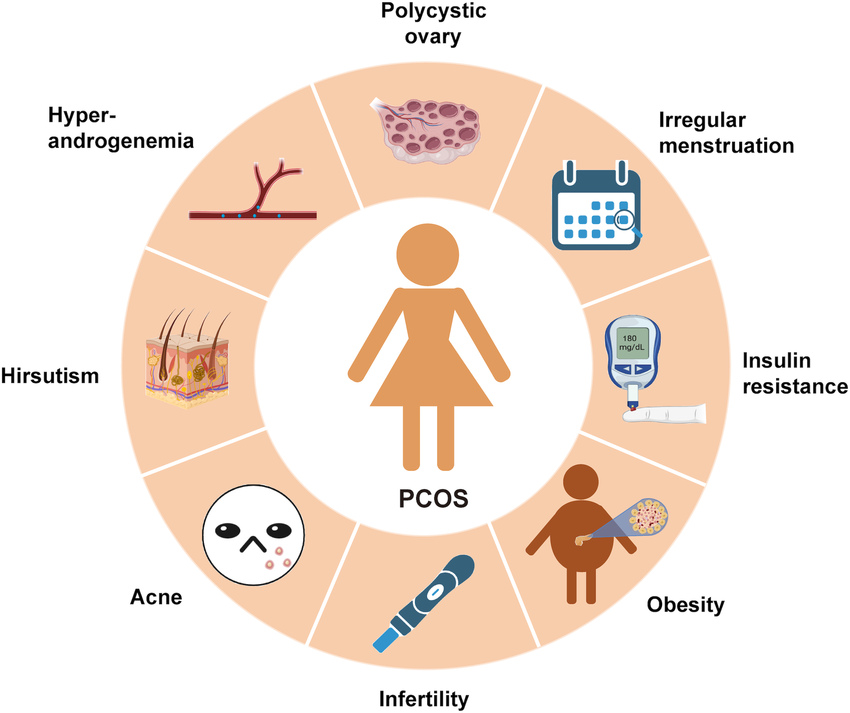
Polycystic Ovary Syndrome (PCOS) is a multifactorial endocrine–metabolic disorder marked by chronic anovulation, hyperandrogenism, and insulin resistance. The therapeutic goal of Gynoessence is to address these underlying metabolic and hormonal imbalances through a synergistic combination of clinically studied nutrients and botanicals: myo-inositol, D-chiro-inositol, L-methylfolate, vitamin D3, chromium, zinc, and shatavari (Asparagus racemosus).
Myo-inositol and D-chiro-inositol: Optimising Insulin Signalling and Ovarian Response
Inositols are critical secondary messengers in insulin and gonadotropin signalling pathways. Women with PCOS commonly exhibit an altered ovarian myo-inositol : D-chiro-inositol ratio, impairing follicular maturation and aromatase activity (Unfer et al., 2017). Supplementation with a physiological 40:1 ratio restores intracellular insulin sensitivity, reduces circulating androgens, and promotes spontaneous ovulation (Nordio & Proietti, 2013).
A recent meta-analysis involving over 1,000 participants confirmed that inositol therapy significantly lowers fasting insulin and HOMA-IR indices, improving both metabolic and reproductive outcomes (Fitz et al., 2024).
L-methylfolate: Methylation and Ovarian Health
L-methylfolate, the biologically active form of folate, bypasses the MTHFR enzymatic conversion step and directly participates in one-carbon metabolism. Folate deficiency has been linked with impaired oocyte maturation and elevated homocysteine, a marker of oxidative stress associated with poorer reproductive outcomes (Gupta & Chauhan, 2022). In PCOS, ensuring optimal methylation capacity supports hormonal balance, endothelial integrity, and DNA synthesis during folliculogenesis. Co-supplementation of inositols and folate has demonstrated additive benefits in ovulation induction (Papaleo et al., 2007).
Vitamin D3: Endocrine and Metabolic Modulator
Vitamin D3 acts as a steroidal hormone influencing over 200 genes involved in insulin sensitivity, calcium homeostasis, and ovarian steroidogenesis. Deficiency of vitamin D3 is widespread among women with PCOS and correlates with insulin resistance, menstrual irregularities, and elevated androgen levels (Trummer et al., 2020). Repletion of vitamin D3 levels improves insulin receptor function and may normalise menstrual cycles, contributing to improved ovulatory frequency.
Chromium: Enhancing Glucose Uptake and Insulin Efficiency
Chromium is an essential trace mineral that potentiates insulin receptor activity through chromodulin, enhancing glucose uptake into peripheral tissues. Randomised trials have reported significant reductions in fasting glucose and HOMA-IR with chromium picolinate supplementation in PCOS populations (Jamilian et al., 2018). Its inclusion in Gynoessence complements the insulin-sensitising effect of inositols, addressing a major metabolic defect in PCOS.
Zinc: Regulating Androgen Production and Oxidative Stress
Zinc is integral to reproductive hormone metabolism and antioxidant defence. Low serum zinc levels in PCOS have been associated with increased oxidative stress and higher free testosterone concentrations (Rafique & Latif, 2019). Adequate zinc intake mitigates lipid peroxidation, supports enzymatic antioxidant systems, and stabilises the insulin receptor complex, collectively improving metabolic resilience.
Shatavari (Asparagus racemosus): Phytoestrogenic and Adaptogenic Support
Shatavari is a traditional Ayurvedic botanical used for female reproductive health. It contains saponins and phytoestrogens that modulate oestrogen receptor activity and support ovarian follicular development (Thakur & Nishteswar, 2014). Modern studies suggest it also exerts adaptogenic and anti-inflammatory effects, reducing stress-induced endocrine disruption and improving reproductive hormonal balance (Kaur et al., 2021).
Synergistic Mechanism of Action
The combined formulation of Gynoessence targets the primary axes of PCOS pathology:
- Insulin signalling: inositols + chromium enhance glucose uptake and reduce compensatory hyperinsulinaemia.
- Hormonal balance: zinc + shatavari normalise androgen–oestrogen ratios and support folliculogenesis.
- Methylation and cellular health: L-methylfolate ensures efficient DNA synthesis and detoxification.
- Endocrine regulation: vitamin D3 enhances insulin sensitivity and ovulatory function.
This multifaceted approach directly addresses both metabolic and reproductive dysfunctions, supporting long-term hormonal equilibrium.
Conclusion
Gynoessence provides an evidence-based, integrative formulation grounded in clinical nutrition and botanical science. By simultaneously improving insulin sensitivity, hormonal regularity, and oxidative balance, it offers a scientifically credible adjunct for the comprehensive management of PCOS.
References
Fitz, V. et al. (2024) ‘Inositol for Polycystic Ovary Syndrome: A Systematic Review and Meta-analysis to Inform the 2023 Update of the International Evidence-based PCOS Guidelines’, Journal of Clinical Endocrinology and Metabolism, 109(6), pp. 1630–1655.
Gupta, S. & Chauhan, R. (2022) ‘Folate metabolism and reproductive health: a review of biochemical pathways and clinical implications’, Reproductive Biology and Endocrinology, 20(1), pp. 98–107.
Jamilian, M., Foroozanfard, F., Afshar Ebrahimi, F. & Asemi, Z. (2018) ‘Effects of chromium picolinate on metabolic parameters and hormonal profiles in women with polycystic ovary syndrome: a randomised double-blind placebo-controlled trial’, Journal of Trace Elements in Medicine and Biology, 50, pp. 283–289.
Kaur, H., Singh, J. & Kaur, S. (2021) ‘Phytopharmacological overview of Asparagus racemosus (Shatavari): a female reproductive tonic’, Phytomedicine Plus, 1(4), pp. 100055.
Nordio, M. & Proietti, E. (2013) ‘Myo-inositol and D-chiro-inositol in combination (ratio 40:1) reduces the risk of metabolic disease in PCOS overweight patients compared to myo-inositol supplementation alone’, European Review for Medical and Pharmacological Sciences, 17(4), pp. 537–540.
Papaleo, E., Unfer, V., Baillargeon, J.P. & Facchinetti, F. (2007) ‘Combined inositol and folate supplementation for ovulation induction in PCOS women: a pilot study’, Gynecological Endocrinology, 23(11), pp. 700–703.
Rafique, S. & Latif, R. (2019) ‘Zinc supplementation in polycystic ovary syndrome: effects on metabolic and hormonal parameters’, Biological Trace Element Research, 191(2), pp. 408–414.
Thakur, R. & Nishteswar, K. (2014) ‘Pharmacognostical and therapeutic review on Shatavari (Asparagus racemosus) with special reference to female reproductive disorders’, AYU (An International Quarterly Journal of Research in Ayurveda), 35(1), pp. 10–14.
Trummer, C., Pilz, S., Schwetz, V. & Pandis, M. (2020) ‘Vitamin D and metabolic syndrome in PCOS: a review of clinical trials and molecular insights’, Hormone Molecular Biology and Clinical Investigation, 41(2), pp. 1–10.
Unfer, V., Facchinetti, F., Orrù, B. & Giordano, D. (2017) ‘Myo-inositol effects in women with PCOS: a meta-analysis of randomised controlled trials’, Endocrine Connections, 6(8), pp. 647–658.