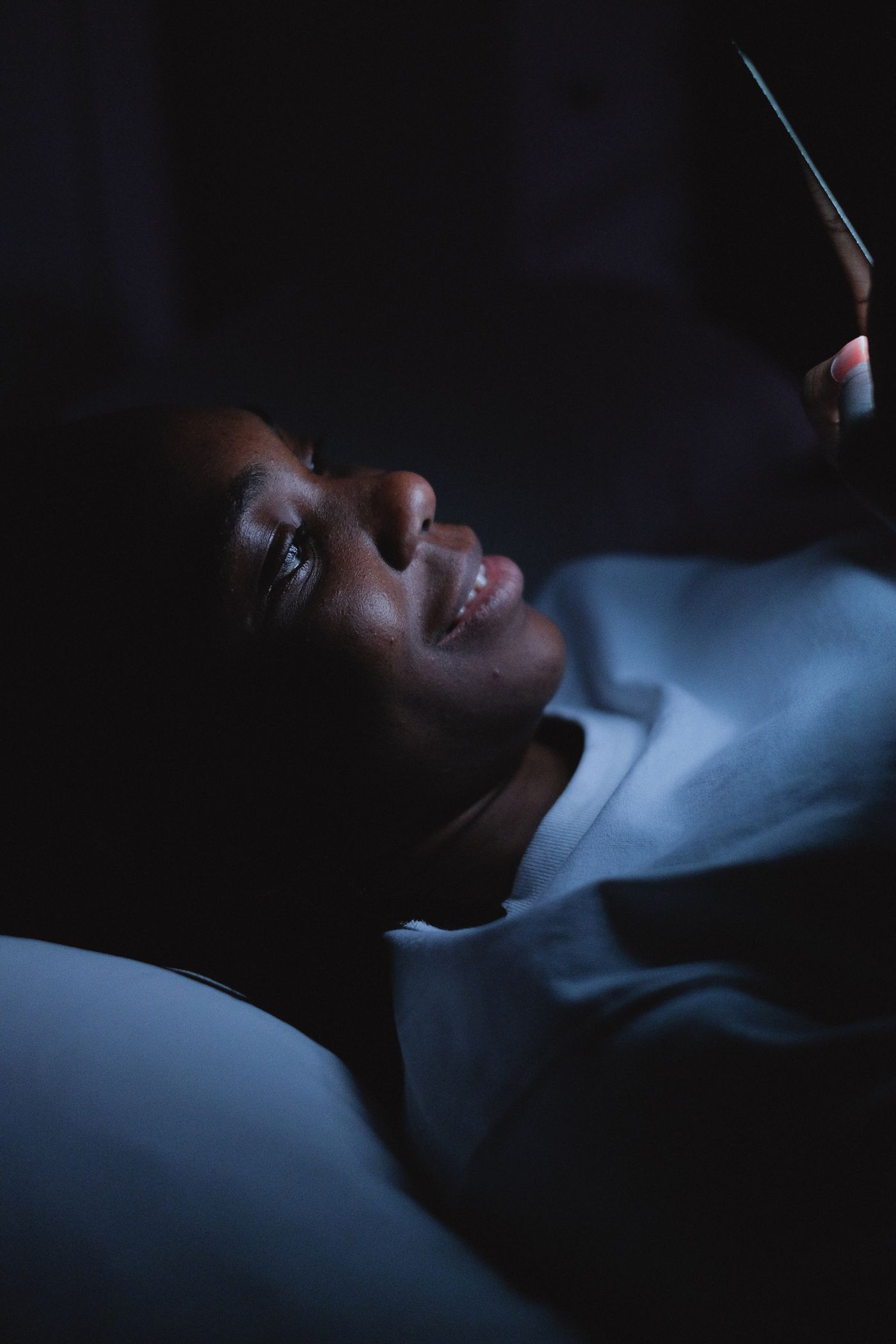

It is 1:30am. Naa has been in bed since 11. She has checked the time four times, scrolled through WhatsApp twice, and turned her pillow over more times than she can count. In five hours her alarm will go off, and she already knows tomorrow will be a struggle.
Almost everyone has nights like this. When it happens most nights, it wears you down. The good news is that small, steady changes to your routine often help more in the long run than sleeping tablets. Here is the routine we suggest at the pharmacy.
During the day: set yourself up for the night
What you do during the day affects how well you sleep at night.
- Wake up at the same time every day, even at weekends. This is the single most useful habit. Your body clock learns when to feel sleepy.
- Get daylight early. Step outside for 10 to 15 minutes in the morning. Daylight tells your brain it is daytime, which helps it make the sleep hormone melatonin at night.
- Move your body. A brisk walk or any exercise helps you fall asleep faster. Finish hard exercise at least two to three hours before bed.
- Stop caffeine by 2pm. Coffee, black and green tea, cola, energy drinks and some headache tablets contain caffeine, which can stay in your body for six hours or more.
- Keep naps short. If you need one, keep it under 30 minutes and before 3pm.
The last hour: wind down
Use the hour before bed to slow down step by step.
- 60 minutes before bed: put work away. Write tomorrow’s to-do list, or any worries, on paper. Getting them out of your head helps you let go of them.
- 45 minutes before: dim the lights. Switch off bright overhead lights and use a lamp if you can.
- 30 minutes before: screens off. Put your phone on charge outside the bedroom, or at least across the room. The light and the endless scrolling keep your brain alert.
- 20 minutes before: something calm. A warm shower, light stretching, reading, prayer or quiet music. A warm, caffeine-free drink such as chamomile tea can be a comforting part of this.
- Lights out at the same time each night.
Make your bedroom work for sleep
- Cool. A fan or air conditioning set to a comfortable temperature helps. Being too hot is one of the most common reasons people wake in the night in Ghana.
- Dark. Use thick curtains or an eye mask, and cover small standby lights.
- Quiet. Earplugs or a fan’s steady hum can block out generators, traffic and the neighbour’s music.
- For sleep only. Try not to work, eat or watch TV in bed, so your brain links bed with sleep.
Watch the evening meal
A large, heavy meal late at night, such as a big plate of fufu or banku at 10pm, can cause heartburn and make it hard to sleep. Try to eat your main meal at least two to three hours before bed. If you are hungry later, have something light. Alcohol may make you drowsy, but it causes lighter, broken sleep later in the night.
If you cannot fall asleep
Lying in bed getting frustrated makes it worse. If you have been awake for about 20 minutes:
- get up and go to another room
- do something quiet in dim light, such as reading a paper book
- go back to bed only when you feel sleepy
It feels strange at first, but it teaches your brain that bed is for sleeping, not for lying awake.
What about sleeping tablets?
Some over-the-counter sleep aids are antihistamines. They can help for a night or two, but many people feel groggy the next day, and they become less effective with regular use. Prescription sleeping tablets are usually only for short periods. Speak to a pharmacist before taking anything, especially if you take other medicines.

What about chamomile tea?
Chamomile is caffeine-free and has been used at bedtime for generations. Small studies suggest it may help some people relax and sleep a little better, though it is not a strong sedative. If you are allergic to plants in the daisy family, it may be best to avoid it, and check with your pharmacist if you are pregnant or take blood thinners. Try Draxer Chamomile Herbal Tea as part of your wind-down.
When to see a prescriber
- You have struggled to sleep at least three nights a week for three months or more.
- Someone has noticed you snore loudly and stop breathing or gasp in your sleep. This can be sleep apnoea, which affects your heart and blood pressure.
- You have an urge to move your legs at night that keeps you awake.
- Poor sleep comes with low mood, worry you cannot control, or thoughts of harming yourself.
What you can do today
- Take our free two-minute sleep check to get your sleep score and personal tips.
- Choose one change from this list to start tonight, and add another next week.
- Chat with a Draxer pharmacist on WhatsApp if you would like help working out what is keeping you awake.
Questions about this topic?
Talk to a Draxer pharmacist on WhatsApp. Advice is free.
This article is for general information. It does not replace advice from your prescriber or pharmacist about your own health.
For health professionals: the placebo-controlled trial of magnesium for insomnia in older adults, summarised for practice. Read the research summary →