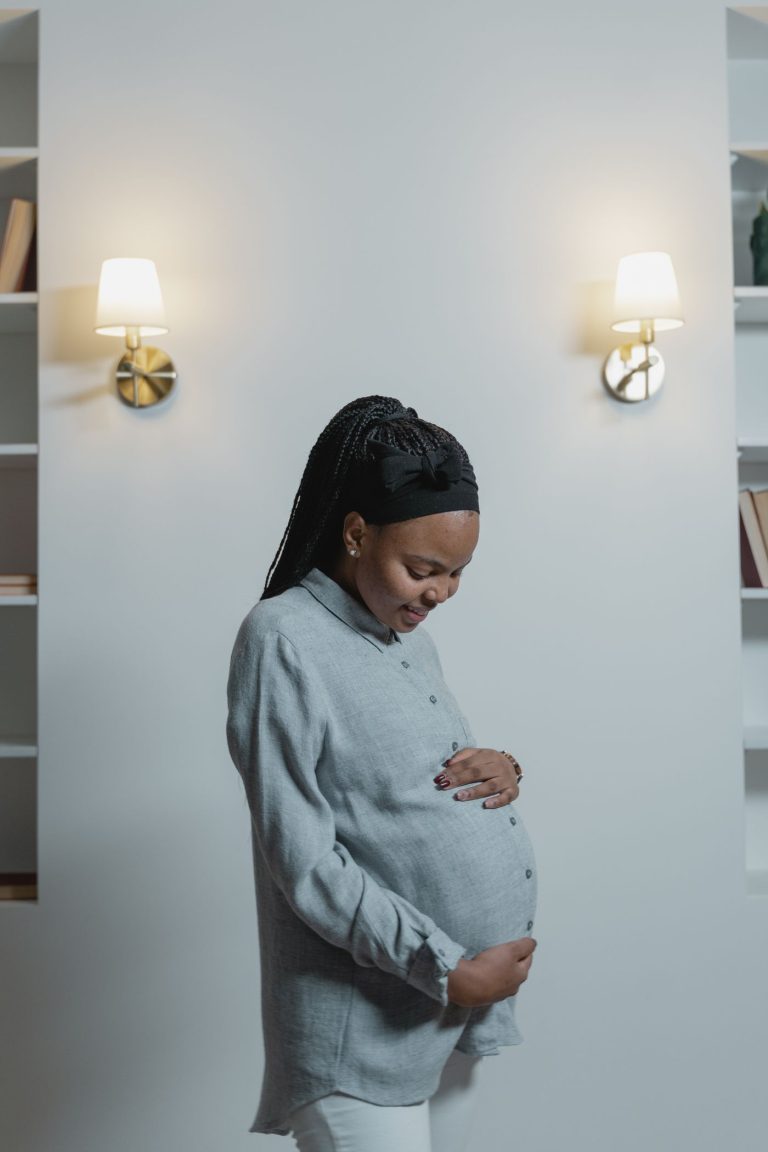

Every month, Efua plans her week around her period. Two days off work, a towel on the bed, a pad changed every hour, and enough painkillers to get through the cramps. Her mother had the same, and her aunties too. “It’s just how our periods are,” they tell her.
Many women in Ghana grow up thinking this is normal. Some period pain and a few heavy days are common. But periods that stop you living your life are not something you simply have to put up with. They often have a cause, and that cause can usually be treated.
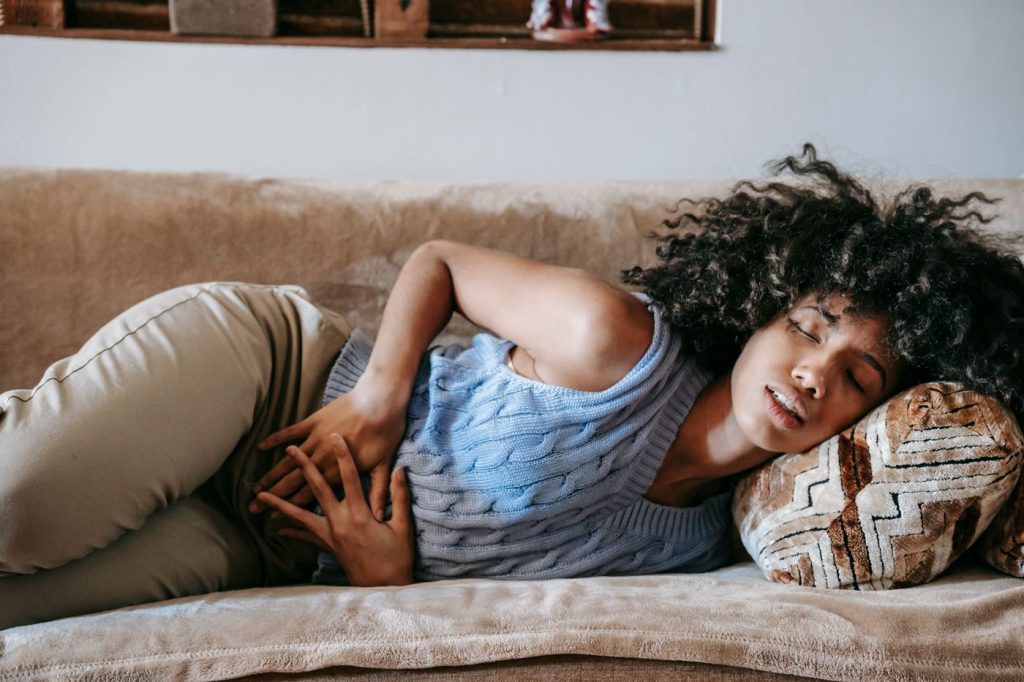
How heavy is too heavy?
It is hard to measure blood loss at home, so use these signs instead. Your periods may be heavy if you:
- need to change a pad or tampon every one to two hours
- need to use two pads at once, or wake at night to change
- pass clots bigger than about 2.5 cm across
- bleed for more than seven days
- leak through to your clothes or bedding often
- feel tired, dizzy or short of breath during or after your period
That last one is important. Losing a lot of blood every month can lead to anaemia (low iron), which leaves you tired, pale and out of breath.
How painful is too painful?
Cramps in the first day or two of a period are common. They happen because the womb tightens to shed its lining. Pain is worth checking if:
- painkillers do not help, or you need them for more than two or three days
- you miss school or work because of it
- the pain started later in life, or has become worse over the years
- you also have pain during sex, when you open your bowels, or between periods
What can cause heavy or painful periods
- Fibroids. These are growths of muscle in or on the womb. They are not cancer, and they are very common in Black women: most will have some by the age of 50. Many cause no problems, but some cause heavy bleeding, pain, a swollen tummy or difficulty getting pregnant.
- Endometriosis. Tissue like the womb lining grows outside the womb and bleeds each month, causing deep pain. It often takes years to be diagnosed.
- Adenomyosis. The womb lining grows into the muscle wall of the womb, making it bulky and painful.
- Hormone changes. Around the teenage years and the years before menopause, periods are often heavier.
- Some contraceptives. The copper coil can make periods heavier and more painful, especially in the first few months.
- Infection. Pelvic infections can cause pain, fever and unusual discharge.
- Thyroid problems or bleeding disorders. Less common, but worth ruling out.
What helps
- The right painkiller, at the right time. Anti-inflammatory painkillers such as ibuprofen or mefenamic acid work best when you start them as soon as the pain or bleeding begins. Ask your pharmacist which is right for you, especially if you have stomach ulcers, asthma or kidney problems.
- Heat. A hot water bottle on your tummy or lower back relaxes the muscles.
- Gentle movement. A walk or light stretching can ease cramps.
- Iron. If your periods are heavy, ask your pharmacist or prescriber about an iron check and whether you need a supplement.
- Treatment from your prescriber. Depending on the cause, there are medicines that reduce bleeding, hormone treatments, and procedures for fibroids. You have options.
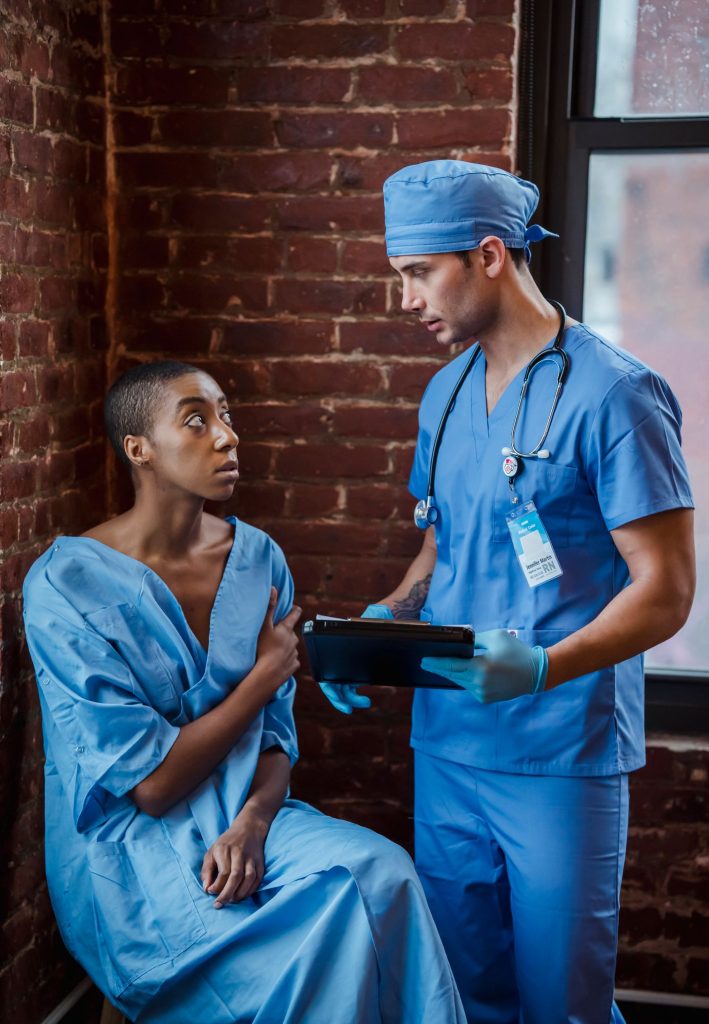
When to see a prescriber
Book an appointment if heavy or painful periods are affecting your daily life, or if you have any of the signs above. Your prescriber may examine you, take a blood test for iron, and send you for a scan.
Go to the hospital straight away if you are soaking through a pad every hour for several hours, feel faint, or have sudden severe pain with a fever.
What you can do today
- Keep a record. Write down how many days you bleed, how many pads you use each day, and how bad the pain is out of 10. Our free cycle tracker has space for this. Take it to your appointment.
- Talk to us first if you are unsure. A Draxer pharmacist can help you decide whether you need to see a prescriber and what to ask. Chat on WhatsApp or book a free consultation.
Questions about this topic?
Talk to a Draxer pharmacist on WhatsApp. Advice is free.
This article is for general information. It does not replace advice from your prescriber or pharmacist about your own health.
For health professionals: research summaries on periods and hormones, including Vitex for PMS. See the research digest →